
























1 Day Delivery in Mumbai & Delhi NCR
Commercial & Industrial Glassware: Durability, Design, and Functionality for the Hospitality Industry
Headline: Engineered for Service. Designed for Impact.
Sub-headline: High-Performance Glassware Built to Withstand the Demands of Busy Bars, Restaurants, and Hotels.
(Hero Image: A dynamic shot of a bartender pouring a cocktail into a stack of robust, elegant glasses in a busy commercial bar.)
1. What is Commercial Glassware?
Commercial glassware refers to drinkware specifically engineered for use in hospitality businesses like bars, restaurants, hotels, and event venues. Unlike domestic glassware, it is designed with three critical pillars in mind: Durability, Functionality, and Stackability.
2. Core Commercial Value Proposition
The primary value of commercial glassware is its Total Cost of Ownership (TCO). While the initial price per unit might be higher than a delicate, decorative glass, its long lifespan, reduced breakage, and operational efficiency lead to significant savings and a better customer experience over time.
3. Key Features & Industrial Advantages
A. Superior Durability & Strength:
- Feature: Annealed or Tempered Glass. Commercial glass is often thermally treated to increase its strength and resistance to chipping, cracking, and thermal shock (from dishwashers).
- Benefit: Dramatically reduces breakage during service, handling, and automated washing. Withstands the inevitable knocks and drops of a high-pressure environment.
B. Optimized Function & Design:
- Feature: Lipped Rims and Secure Grips. Designed for easy, spill-free pouring and comfortable handling by staff and customers.
- Benefit: Enhances the user experience, improves pouring accuracy for portion control, and reduces spills.
C. High-Temperature & Chemical Resistance:
- Feature: Formulated to withstand commercial dishwashers with high-temperature sanitizing cycles (up to 90°C/194°F) and harsh detergents.
- Benefit: Ensures hygienic cleaning without becoming cloudy, etched, or degraded over time.
D. Standardized Sizes for Consistency:
- Feature: Precise liquid capacities (e.g., 4oz, 6oz, 12oz, 16oz, 20oz Pint).
- Benefit: Ensures accurate portion control for both alcoholic and non-alcoholic beverages, directly impacting profitability and recipe consistency.
E. Optimized for Logistics:
- Feature: Stackability and Nesting. Designed to stack securely and compactly.
- Benefit: Saves crucial storage space in dry stores, under bars, and on shelves. Redives the risk of damage during storage and makes transporting large quantities more efficient.
4. Primary Types of Commercial Glassware
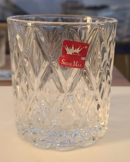
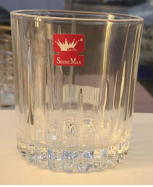
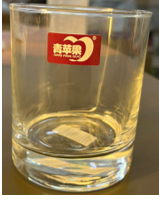
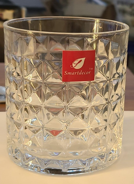
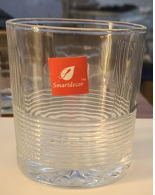
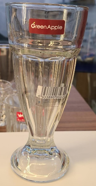
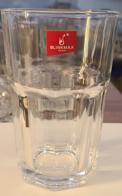
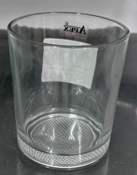
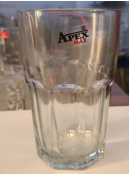
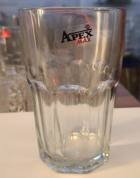
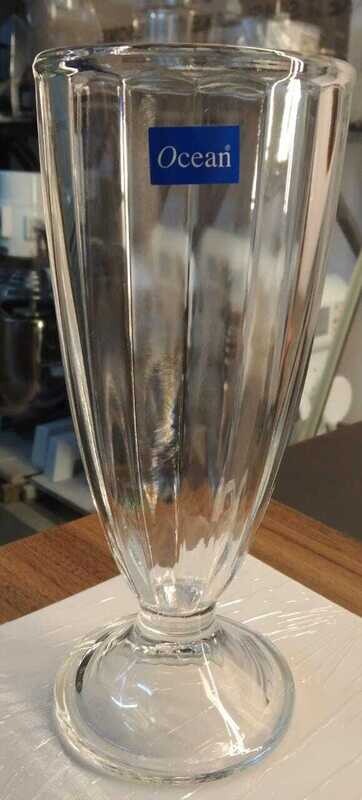
- Tumblers (Rocks/Old Fashioned, Highball): The workhorses of any bar, for spirits, cocktails, juice, and water.
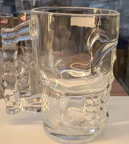
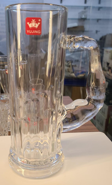
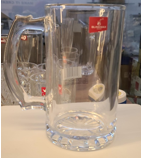
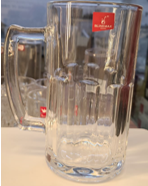
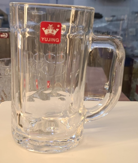
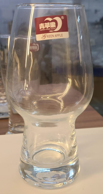
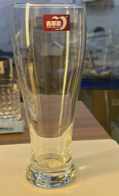
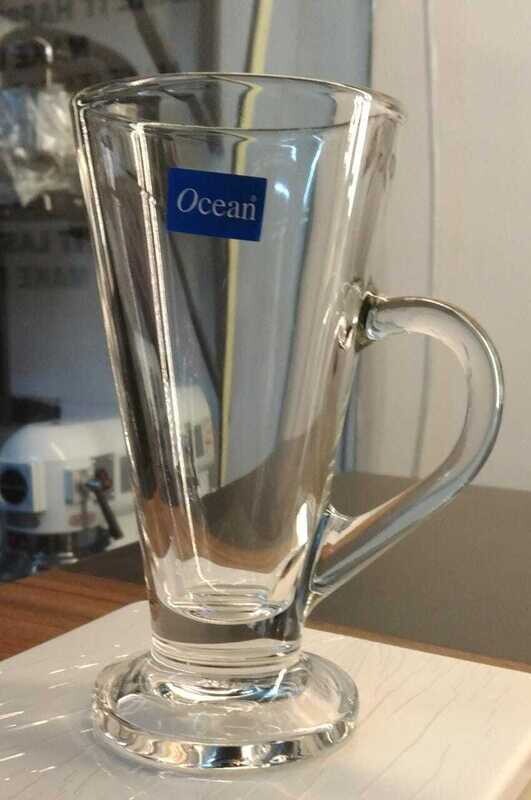
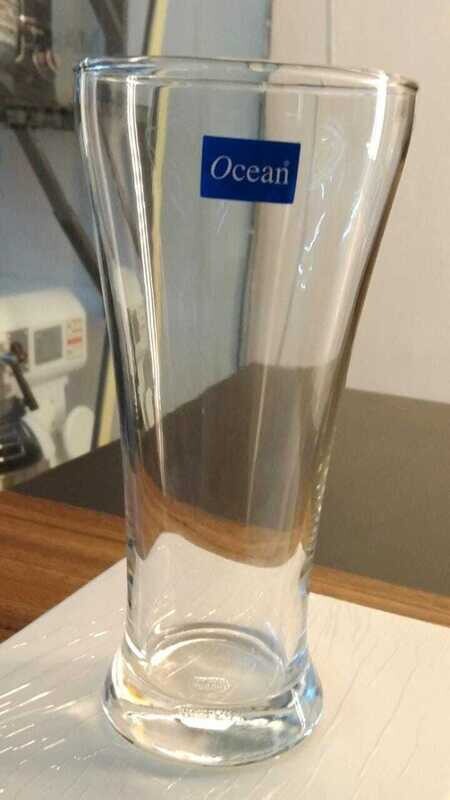
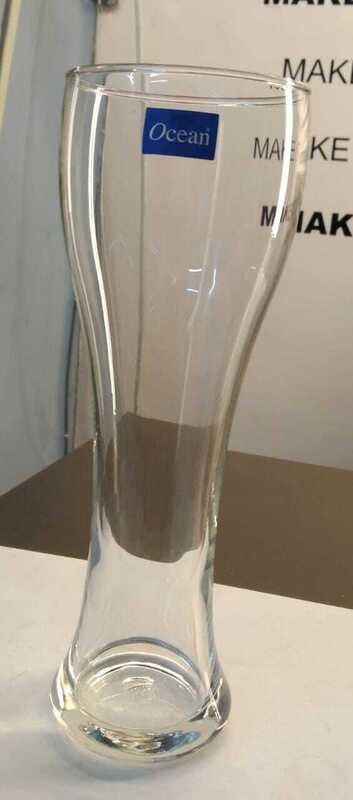
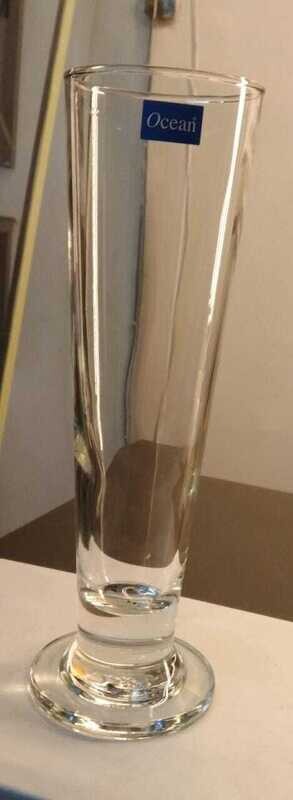
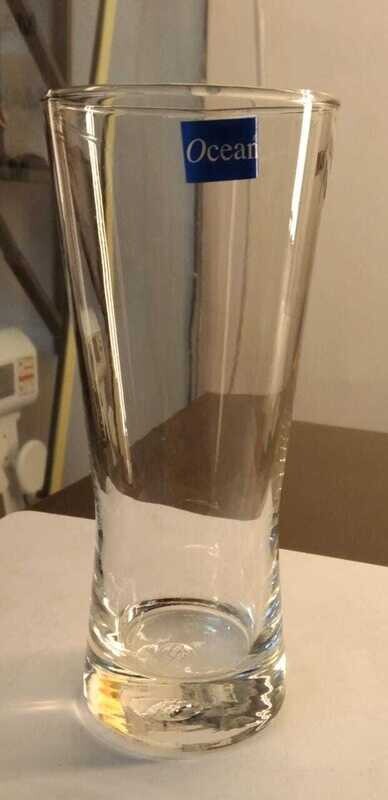
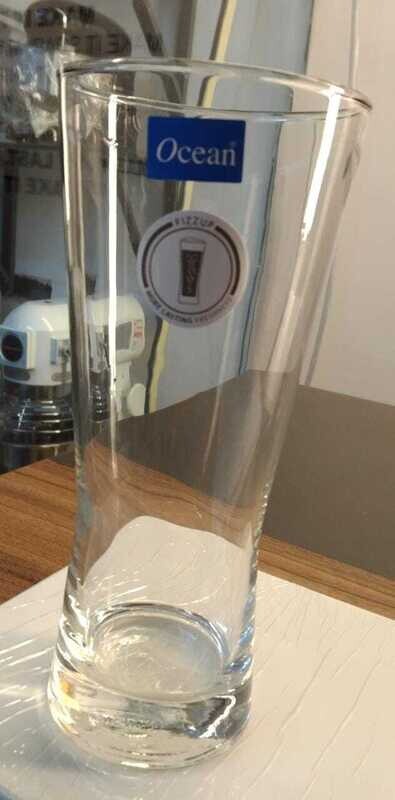
- Beer Glasses (Pints, Pilsners, Weizens): Shape is designed to enhance the aroma and head retention of specific beer styles.
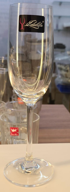
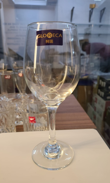
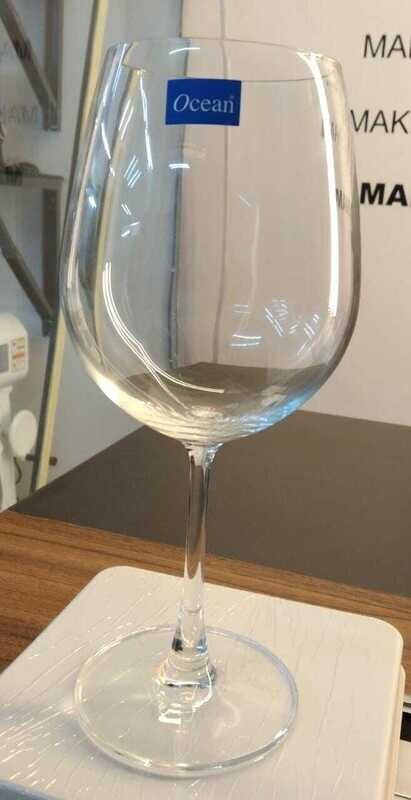
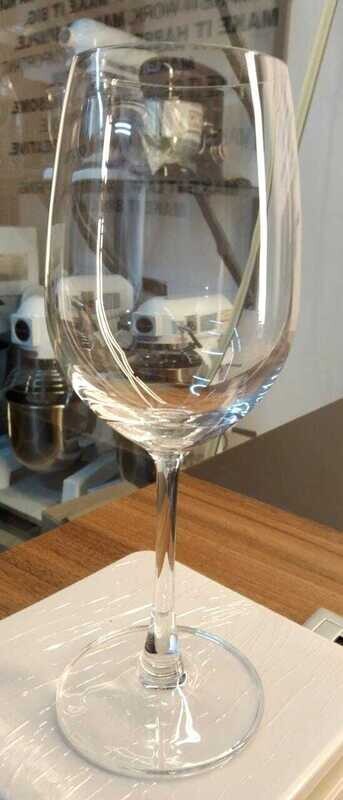
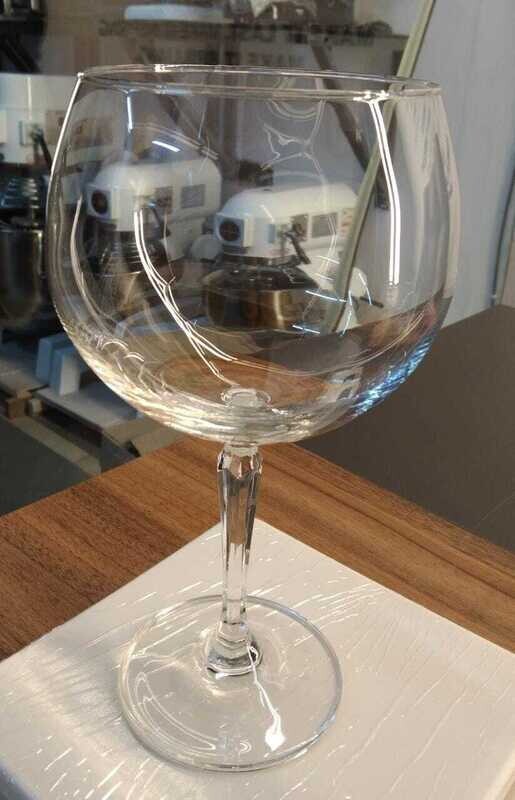
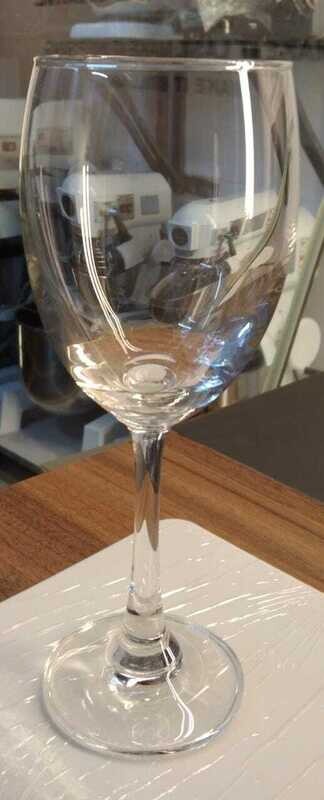
- Wine Glasses (Red, White, Champagne Flute): Sized and shaped to concentrate aromas and serve at the ideal temperature.
- Cocktail Glasses (Martini, Coupe, Margarita): Designed for presentation and temperature retention of specific drinks.
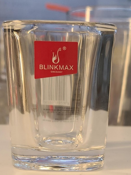
- Shot Glasses & Spirits Nosing Glasses: For measured pours and premium spirit tasting.
- Non-Alcoholic (Juice, Iced Tea, Soda): Often durable, simple tumblers in various sizes.
5. Material Variations
- Soda-Lime Glass: The most common type. Good durability and clarity at an affordable price.
- Borosilicate Glass: More expensive but highly resistant to thermal shock (e.g., moving from freezer to dishwasher). Exceptionally clear and strong.
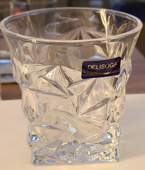
- Crystal Glass: Contains minerals (like lead oxide or magnesium) for superior clarity, brilliance, and a finer rim. Used in high-end establishments but is less durable and often not suitable for commercial dishwashers.
6. Ideal Commercial & Industrial Users
- Bars, Pubs & Nightclubs
- Restaurants (Fine Dining to Casual)
- Hotels & Resorts
- Event & Wedding Venues
- Cafés & Coffee Shops
- Cruise Ships & Airlines (Catering)
- Corporate Cafeterias
Critical Considerations for Purchase
- Dishwasher Safety: Must be explicitly rated for commercial dishwashers.
- Replacement Availability: Choosing a glass from a supplier with a long-term stock ensures you can replace broken units without redesigning your entire glass lineup.
- Brand Alignment: The style of the glass should reflect your brand's image, from a thick-based craft beer pint to a delicate crystal wine glass.
- Feel & Weight: The "heft" of a glass contributes to the perceived quality and customer experience.
Conclusion
Commercial glassware is a fundamental investment in the daily operation and profitability of a hospitality business. It is a tool designed not just to hold a drink, but to enhance its presentation, survive rigorous use, streamline service, and protect your bottom line through durability and consistency.
Refine by
Display prices in:INR