1 Day Delivery in Mumbai & Delhi NCR
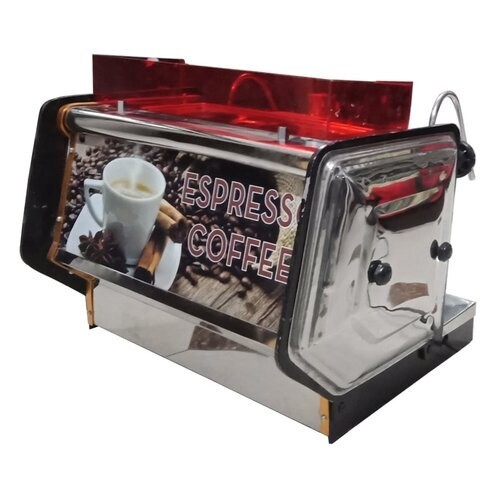
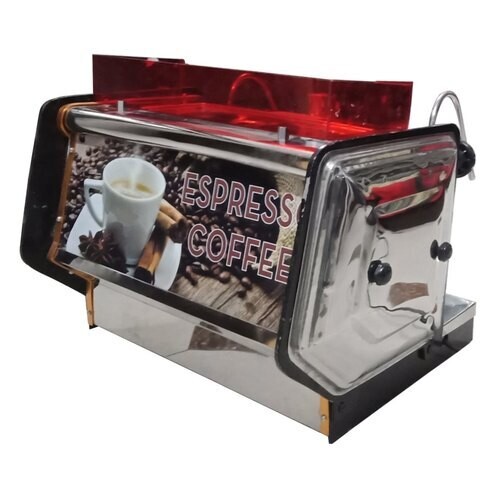
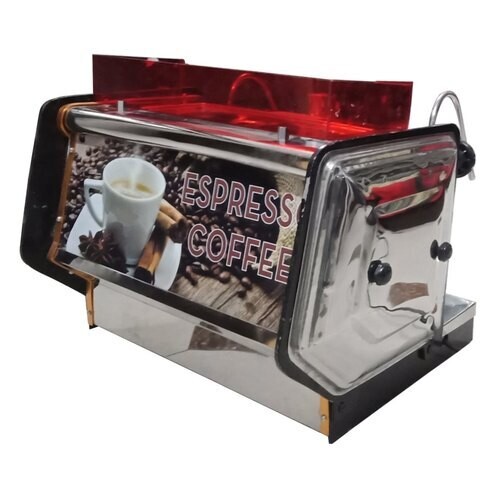
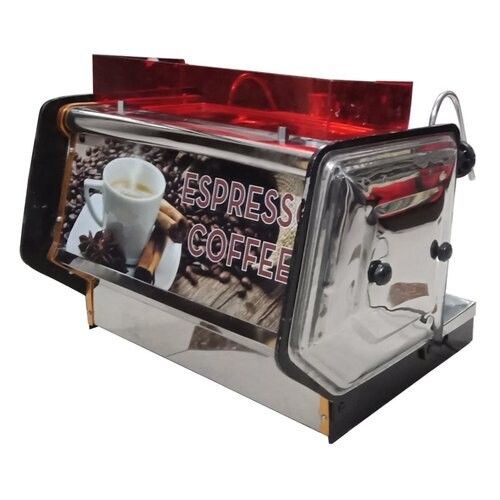
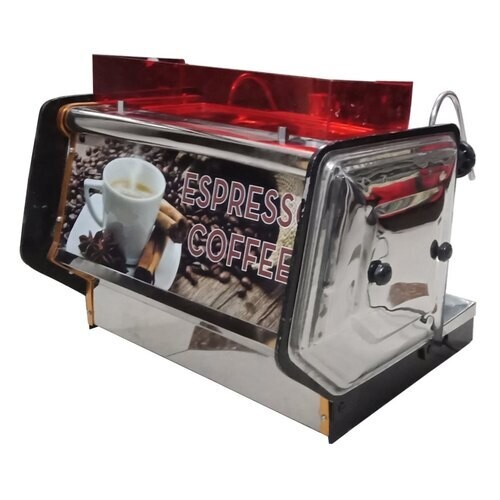
INDIAN COFFEE MACHINE COMMERCIAL INDUSTRIAL USE
The Perfect Indian Coffee Machine: From Filter Kaapi to Café-Cappuccino
Engineered for Aroma, Built for Demand. Discover Machines for Every Need, from Traditional Homes to Busy Commercial Hubs.
Understanding the Indian Coffee Landscape
The Indian coffee machine market is uniquely diverse, catering to two primary brewing cultures:
- The South Indian Filter Coffee Tradition: The beloved strong, dark decoction brewed slowly in a traditional metal filter, mixed with milk and sugar, and served in a "davara-tumbler."
- The Western-Style Café Culture: Espresso-based drinks like cappuccinos, lattes, and americanos, popular in urban centers and among the younger generation.
A great coffee machine for the Indian context often bridges this gap or excels specifically in one area.
I. Commercial & Industrial Use in India
For businesses, reliability, speed, and the ability to handle high volume are non-negotiable.
Key Features for Indian Commercial Machines:
- High-Pressure Pump (15-20 Bar): Essential for creating authentic espresso with a rich crema.
- Dual Boilers or Heat Exchange Systems: Allows for simultaneous brewing of espresso and milk frothing, critical for speed during rush hours.
- Stainless Steel Construction: Withstands the humid Indian climate and constant use. Easy to clean and maintain.
- Voltage Compliance: Built for stable operation on Indian 230V/50Hz power, often with voltage stabilizers as a recommended accessory.
- Water Filtration Compatibility: Handles varying water hardness levels across Indian cities to prevent limescale damage.
- Durability & After-Sales Service: The most critical factor. Machines must be backed by a strong network for technical support and spare parts.
Types of Commercial Machines:
- Automatic & Super-Automatic Espresso Machines: For cafes and high-end restaurants. Grinds, tamps, and brews at the push of a button. Ensures consistency and saves staff training time. (e.g., brands like Astoria, La Cimbali, Franke).
- Semi-Automatic Machines: For skilled baristas in specialty coffee shops who want full control over the extraction.
- Traditional South Indian Filter Coffee Machines:
- Bulk Coffee Brewers: Large, often commercial-grade South Indian filters or automated drip machines that produce liters of decoction at once.
- Instant Coffee/Hot Water Dispensers: Common in offices, canteens, and roadside stalls for quick service.
Primary Commercial Users:
- Café Chains (Café Coffee Day, Starbucks, Third Wave)
- Hotels & Restaurants
- Corporate Offices
- South Indian Restaurants & Udipi Hotels
- Bakeries & Quick Service Restaurants (QSRs)
II. Home & Domestic Use in India
The home market is driven by convenience, space, and the ability to make both filter coffee and western-style drinks.
Key Features for Indian Home Machines:
- Versatility: Machines that offer both espresso brewing and a separate hot water spout for preparing South Indian filter-style coffee are highly valued.
- Compact Design: Fits easily on a standard Indian kitchen counter.
- Ease of Use & Cleaning: Simple interfaces and dishwasher-safe parts are a major plus.
- Milk Frothing Capability: An integrated steam wand or automatic milk frother for making cappuccinos is a key selling point.
- Bean-to-Cup vs. Pod vs. Drip: A growing market for all types, with bean-to-cup offering the freshest taste and pod machines (like Nespresso) offering ultimate convenience.
Popular Types of Home Machines:
- Espresso Machines: Brands like Philips, De'Longhi, and Agaro offer semi-automatic machines that are very popular.
- Pod/Capsule Machines: Nespresso and Nescafé Dolce Gusto have a strong urban presence. Convenience is the main driver.
- South Indian Coffee Makers: Stovetop percolators and electric drip filters from brands like Cafe Coffee Day, Preethi, and Butterfly are dedicated to making the traditional decoction.
- Drip Coffee Makers: Less common, but used in some households for American-style coffee.
Critical Considerations for the Indian Market
- After-Sales Service is King: A machine is only as good as the service network behind it. This is the #1 factor for both commercial and domestic buyers.
- Power Backup: For homes and businesses in areas with frequent power cuts, considering a machine's compatibility with inverters or UPS systems is important.
- Authentic South Indian Taste: Many consumers are wary that espresso machines cannot replicate the unique taste of traditional filter kaapi. Machines that can accommodate coarse, dark South Indian coffee roasts have an advantage.
- Water Quality: The use of filtered or softened water is highly recommended to protect any machine from India's hard water.
Summary: Choosing Your Machine
- For a High-Volume Café: Invest in a reputable international brand's automatic/super-automatic machine with a robust Indian service partner.
- For a South Indian Restaurant: A commercial bulk decoction brewer is the core asset, possibly supplemented by an espresso machine for a diversified menu.
- For a Modern Indian Home: A versatile semi-automatic espresso machine with a steam wand offers the best of both worlds.
- For a Traditional Indian Home: A dedicated electric South Indian filter coffee maker provides the authentic taste with modern convenience.
In essence, the right Indian coffee machine understands the cultural significance of the brew while delivering the reliability and performance demanded by its users.
Refine by
Display prices in:INR